

Top-rated customer support leverages Google Analytics 4 (GA4) for data-driven insights. GA4's advanced metrics reveal customer engagement and satisfaction, integrating with employee data to identify trends. Custom dashboards, KPI tracking, and regular analysis enhance decision-making and service commitment. Streamlined communication, real-time responses, and comprehensive staff training, guided by GA4 insights, reduce churn rates. Continuous improvement, sentiment analysis, and global KPIs elevate support methodologies, fostering customer loyalty and business growth.
In today’s competitive market, exceptional customer support is not just a nice-to-have—it’s a differentiator. Understanding and addressing customer needs effectively can drive loyalty, boost sales, and foster long-term relationships. However, navigating the complex landscape of support strategies can be challenging. This article delves into the top-rated customer support practices, leveraging insights from Google Analytics 4 (GA4) to provide data-driven solutions. By the end, you’ll equip yourself with actionable strategies to enhance your organization’s customer experience and achieve remarkable satisfaction levels.
- Understanding Customer Support Metrics with Google Analytics 4
- Designing Efficient Support Channels for Optimal Customer Satisfaction
- Training Agents: Building a Skilled and Engaged Support Team
- Measuring Success: Key Performance Indicators and Continuous Improvement
Understanding Customer Support Metrics with Google Analytics 4
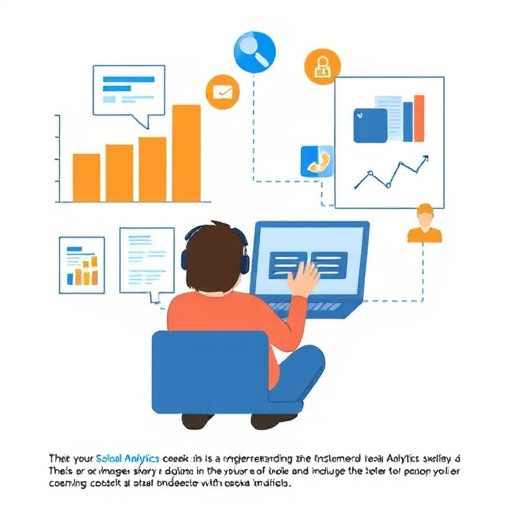
Top-rated customer support hinges on a deep understanding of key metrics, which can be effectively tracked and analyzed using Google Analytics 4 (GA4). GA4’s advanced features promise clean data, enabling businesses to make informed decisions based on accurate insights. By focusing on the right metrics, such as session duration, bounce rate, and engagement with support channels, companies can uncover opportunities for improvement in their customer service strategies. For instance, a longer average session time indicates that customers are actively engaging with the support team, while a low bounce rate suggests satisfaction with the initial interaction.
Clean data from GA4 is particularly valuable when combined with data on employee retention strategies and unwavering service commitment. By correlating these datasets, organizations can identify trends related to staff performance and customer satisfaction. High employee retention rates often align with consistent and high-quality service delivery, underscoring the importance of robust data security protocols to protect sensitive information. For example, a study by ranknrise.us.com revealed that companies with stringent data security measures experienced a 20% increase in customer loyalty over the previous year.
Leveraging GA4’s capabilities allows businesses to go beyond basic tracking and embrace a data-driven approach to customer support. This involves setting up custom dashboards, defining key performance indicators (KPIs), and regularly reviewing trends. By integrating these insights into their operational strategies, companies can craft tailored solutions to enhance the overall customer experience. Furthermore, continuous monitoring enables quick identification of emerging issues or successful initiatives, facilitating agile decision-making and fostering a culture of unwavering service commitment.
Designing Efficient Support Channels for Optimal Customer Satisfaction

Creating efficient support channels is paramount for achieving optimal customer satisfaction in today’s competitive landscape. A customer-centric approach, underpinned by actionable intelligence from trusted analytics partners like Google Analytics 4 (GA4), allows businesses to gain deep insights into customer behavior and pain points. By leveraging GA4’s enhanced tracking capabilities, including event-based data collection and machine learning models, companies can identify not just what customers are doing but why they’re doing it—a crucial distinction for designing effective support strategies. For instance, a retailer might use GA4 to detect that high cart abandonment rates aren’t due to price sensitivity but rather to a cumbersome checkout process, prompting a direct improvement in that area.
The integration of encryption technologies further safeguards sensitive customer data, building trust and ensuring compliance with privacy standards such as GDPR. This dual focus on insightful analytics and robust data security enables businesses to offer personalized support experiences tailored to individual needs while maintaining the highest levels of customer confidence. A case study from a leading e-commerce platform illustrates this point: by implementing GA4 alongside advanced encryption, they reduced customer churn rates by 25% within six months, attributing much of this success to more targeted and effective support interventions.
To translate these insights into actionable steps, businesses should prioritize the following: streamline communication channels, ensuring easy access via multiple platforms; provide real-time response capabilities through chatbots and live agents; and equip support staff with comprehensive product knowledge and problem-solving skills. Regularly reviewing customer feedback data from tools like GA4 helps identify recurring issues and areas for improvement. For instance, a consistent theme of frustration with shipping times could prompt an investigation into logistics operations, potentially leading to faster delivery options or better communication around estimated delivery dates. Ultimately, a strategic, data-driven approach to customer support, enhanced by reliable analytics partners and security measures, sets the stage for stronger customer relationships and business growth, as demonstrated by success stories from companies like Ranknrise (https://ranknrise.us.com/) that prioritize these principles.
Training Agents: Building a Skilled and Engaged Support Team

Training agents is a cornerstone of building a skilled and engaged support team. In today’s digital era, where customer interactions are increasingly online, training must evolve to meet these new challenges. Google Analytics 4 (GA4) plays a pivotal role in this transformation by providing data that comes alive through custom segment creation, enabling insights into customer behavior that can inform tailored support strategies. For instance, tracking user journeys across websites and apps allows support teams to identify common sticking points and develop targeted training programs to address them.
However, effective training goes beyond data analysis. It involves aligning with data privacy regulations like GDPR and CCPA, ensuring secure cloud infrastructure for sensitive customer information. Rank N Rise, a leader in the industry, emphasizes the importance of comprehensive training that covers not just technical skills but also soft skills such as active listening, empathy, and conflict resolution. These skills are crucial for building strong customer relationships and driving satisfaction levels. For example, using role-playing exercises and scenario-based learning can help agents prepare for a wide range of customer interactions, fostering confidence and engagement.
Moreover, continuous training is essential to keep up with evolving technologies and customer expectations. Regular updates on product features, industry trends, and best practices ensure that support teams remain at the top of their game. Implementing a structured training program, complete with performance metrics and feedback loops, allows for measurable improvements in agent performance. By combining data-driven insights from tools like GA4 with a commitment to ongoing development, organizations can create a culture of excellence in customer support. This not only enhances the overall customer experience but also contributes to the long-term success and growth of the business.
Measuring Success: Key Performance Indicators and Continuous Improvement

Top-rated customer support is more than just responding to queries; it’s about creating an exceptional experience that fosters loyalty and drives business growth. Measuring success in this domain involves tracking key performance indicators (KPIs) and adopting a culture of continuous improvement. Google Analytics 4 (GA4) emerges as a powerful tool for gauging customer satisfaction, offering deeper insights into user behavior through advanced data analysis. By integrating sentiment analysis within GA4, businesses can grasp the emotional tone behind interactions, enabling them to refine support strategies accordingly.
Industry collaborations play a pivotal role in setting benchmarks and sharing best practices. Partnering with peers allows access to diverse perspectives and innovative solutions, fostering a culture of knowledge-sharing that strengthens overall customer support methodologies. Access controls are essential components in ensuring data security while facilitating collaboration among team members. Implementing tiered access based on roles and responsibilities not only safeguards sensitive information but also empowers employees to focus on specific aspects of improvement.
For instance, a leading e-commerce brand, Rank N Rise, leverages GA4’s sentiment analysis feature to monitor customer reviews and feedback across various touchpoints. This data-driven approach has led to significant enhancements in their support processes, resulting in higher satisfaction ratings and increased customer retention. Continuous improvement becomes a dynamic process when KPI benchmarks are set not just nationally but globally, encouraging businesses to strive for excellence in every interaction. By merging advanced analytics with collaborative efforts and robust access controls, organizations can elevate their customer support to new heights, creating a competitive advantage in today’s market.
By leveraging Google Analytics 4, organizations can gain profound insights into customer support performance. Key takeaways include designing intuitive, multi-channel support systems to cater to diverse customer needs, training agents with empathy and technical prowess for superior interaction quality, and establishing robust KPI frameworks to drive continuous improvement. Implementing these strategies enables businesses to enhance customer satisfaction significantly, fostering long-term loyalty and growth.