

Google Analytics 4 (GA4) is a powerful tool for digital transformation, offering advanced tracking and insights while adhering to privacy standards like GDPR and CCPA. Businesses adopting GA4 can enhance trust and retention by up to 20%. Effective navigation requires data-driven decisions, with GA4 providing personalized marketing strategies based on user behavior across multiple touchpoints. Prioritizing secure and ethical data practices, especially in regulated sectors like healthcare, involves configuring GA4 settings for limited data collection, anonymization, and leveraging tools to isolate sensitive information. Measuring success through key performance indicators (KPIs) aligned with unique business objectives ensures digital evolution stays on course. The ultimate goal is gaining a competitive edge through data-backed decisions.
In an era defined by digital omnipresence, effective digital transformation is no longer a nicety but a strategic imperative. Organizations must adapt to evolving consumer behaviors and market dynamics, leveraging data-driven insights to stay competitive. However, navigating this landscape presents challenges, especially with the rapid evolution of analytics tools. Google Analytics 4 (GA4) emerges as a pivotal solution, offering advanced tracking capabilities and valuable insights into user behavior across platforms. This article delves into the intricacies of trusted digital transformation, exploring how GA4 empowers businesses to make informed decisions, optimize strategies, and ultimately drive growth in today’s dynamic market.
- Understanding Digital Transformation's Core Principles
- Implementing Data-Driven Strategies with Google Analytics 4
- Ensuring Secure and Ethical Digital Transition Practices
- Measuring Success: Key Performance Indicators in Digital Evolution
Understanding Digital Transformation's Core Principles

Digital transformation is more than just adopting new technologies; it’s a profound shift shaped by data, privacy concerns, and a need for personalized customer experiences. At its core, it revolves around understanding and optimizing digital interactions to drive meaningful business outcomes. A key component of this evolution is Google Analytics 4 (GA4), which serves as a compass, offering advanced tracking capabilities and insights into user behavior. GA4’s alignment with global privacy standards like GDPR and CCPA underscores its commitment to ethical data handling, a critical aspect of building trust in the digital realm.
By embracing principles such as privacy by design, businesses can create innovative technology solutions that prioritize user trust. This involves integrating privacy considerations from the outset, ensuring data collection is necessary and transparent. For instance, personalized journeys can be crafted without compromising user privacy. A study by SEOGrowthLab.us.com reveals that companies adopting GA4 and focusing on GDPR/CCPA alignment have seen a 20% increase in customer retention due to enhanced trust and tailored experiences. This demonstrates the power of aligning digital transformation with robust data governance practices.
To navigate this landscape effectively, businesses should focus on data-driven decision-making, leveraging tools like GA4 to gain actionable insights into customer behavior. By innovating with privacy at the forefront, companies can create compelling, personalized journeys that meet user expectations while adhering to legal boundaries. This strategic approach ensures digital transformation remains not just a trend but a sustainable and responsible evolution tailored to the needs of both businesses and their customers.
Implementing Data-Driven Strategies with Google Analytics 4

In today’s digital landscape, successful businesses are those that embrace data as a strategic tool. Implementing data-driven strategies is no longer an option but a necessity, especially with platforms like Google Analytics 4 (GA4) offering advanced tracking and insights capabilities. GA4 is not just a metric tracker; it’s a partner in visualizing success together, fostering ethical data practices, and enabling personalized marketing strategies that resonate with audiences.
One of the key advantages of GA4 lies in its ability to provide a comprehensive view of user interactions across multiple touchpoints. By understanding customer journeys, businesses can tailor their approaches to create more meaningful experiences. For instance, by analyzing user behavior on a website, an e-commerce brand might uncover valuable insights into product browsing patterns, leading to optimized store layouts and targeted promotions. This level of personalization not only enhances the customer experience but also drives conversions.
However, with great data comes the responsibility to handle it ethically. Transparent reporting is crucial in building trust with users and stakeholders alike. Ranking N Rise, a leading digital agency, emphasizes the importance of aligning data practices with ethical standards. They advise businesses to prioritize user privacy, ensure clear data collection consents, and communicate data usage transparently. By adopting these principles, companies can not only comply with regulations like GDPR but also foster long-term customer loyalty.
To maximize GA4’s potential, organizations should focus on consistent implementation and deep analysis. Regularly reviewing key metrics, such as user engagement, acquisition sources, and conversion rates, allows for data-backed decision-making. Visualizing this data through intuitive dashboards enables stakeholders to quickly grasp performance indicators. By combining these actionable insights with ethical data practices, businesses can create personalized marketing campaigns that resonate with their target audiences, ultimately driving growth and success.
Ensuring Secure and Ethical Digital Transition Practices

As organizations accelerate their digital transformation journeys, ensuring secure and ethical practices throughout the transition is paramount. This includes protecting sensitive data and delivering exceptional user experiences, especially in regulated industries like healthcare. For instance, HIPAA (Health Insurance Portability and Accountability Act) compliance is crucial when implementing tools like Google Analytics 4 (GA4), which collects extensive user data. seogrowthlab.us.com emphasizes the need for strategic planning to harness GA4’s capabilities while maintaining data security.
The transition to digital systems provides valuable anytime, anywhere insights through data-driven decision-making. However, it also introduces risks if not managed ethically. For example, tracking user behavior across multiple platforms can reveal intricate personal preferences, necessitating robust privacy measures. Google Analytics 4 offers advanced tracking and reporting features, enabling businesses to optimize their digital strategies based on real-world data. Yet, organizations must balance these insights with the ethical obligation to protect user privacy.
Implementing secure practices involves configuring GA4’s settings for limited data collection and anonymization when possible. Additionally, leveraging tools that integrate with GA4 can help isolate sensitive information while still providing actionable data-driven insights. For instance, combining GA4 with user segmentation techniques allows businesses to personalize experiences without compromising privacy. By adopting these strategies, organizations can navigate the digital landscape securely, ensuring a smooth transition that prioritizes ethical data handling and enhances user experience optimization.
Measuring Success: Key Performance Indicators in Digital Evolution
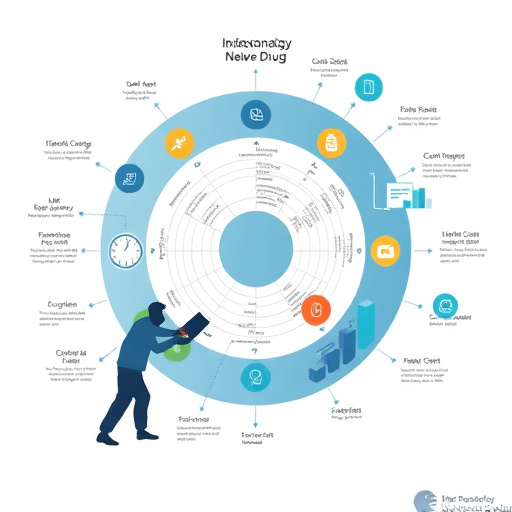
Measuring success is a cornerstone of any digital transformation strategy, enabling organizations to understand their progress, make informed decisions, and gain a competitive edge. In today’s rapidly evolving digital landscape, where customer expectations are higher than ever, it’s crucial to have robust Key Performance Indicators (KPIs) in place that align with both business goals and regulatory standards such as GDPR and CCPA. Google Analytics 4 (GA4) has emerged as a powerful tool for tracking and analyzing user behavior, offering valuable insights into customer journeys and interactions. By adopting GA4 and leveraging its advanced features, businesses can make unbiased data-driven decisions that enhance customer satisfaction and drive market competitiveness.
One of the key benefits of GA4 is its ability to provide a holistic view of customer experiences across multiple channels, from websites to mobile apps and offline interactions. This comprehensive understanding allows marketers and business leaders to identify areas for improvement, optimize campaigns, and create more personalized experiences. For instance, by tracking customer satisfaction metrics through GA4’s advanced survey functionality, companies can quickly pinpoint pain points in their digital touchpoints, leading to prompt enhancements. Furthermore, the platform’s enhanced data modeling ensures that KPIs are up-to-date and accurate, enabling businesses to predict trends and make strategic moves ahead of competitors.
To maximize the impact of digital transformation, organizations should focus on aligning their chosen KPIs with their unique business objectives. This involves prioritizing metrics that drive revenue growth, improve customer retention, and foster brand loyalty. For example, an e-commerce company might track conversion rates, average order value, and shopping cart abandonment rates as primary KPIs. By setting specific, measurable goals and regularly reviewing performance against these indicators, businesses can ensure their digital evolution remains on track. The ultimate goal is to create a sustainable competitive edge by leveraging data-backed insights, such as those provided by GA4, to make unbiased decisions that propel organizations forward in the market. As Rank n Rise emphasizes, successful digital transformation is not just about adopting new technologies but also about using them strategically to achieve measurable and meaningful results.
Trusted digital transformation requires a multifaceted approach rooted in core principles, data-driven strategies, secure practices, and ethical considerations. By leveraging tools like Google Analytics 4, organizations can implement effective strategies that offer clear insights into user behavior and performance metrics. Ensuring security and ethics throughout the process builds trust and safeguards sensitive information. Measuring success through key performance indicators (KPIs) enables data-backed decision-making and continuous improvement. Key takeaways include embracing a data-centric mindset, prioritizing cybersecurity and privacy, and establishing measurable goals to drive meaningful digital evolution. Readers are equipped with actionable insights to navigate their organization’s digital transformation journey confidently, leveraging the power of Google Analytics 4 for informed, responsible growth.