

Top-tier customer support, driven by advanced analytics and personalization, builds brand loyalty. Google Analytics 4 (GA4) enables businesses to track customer behavior, optimize journeys, and personalize interactions. Industry collaborations facilitate best practices for tailored experiences. High standards maintained through rigorous training, empathy, and transparent policies. Strategic hiring, data-driven decision-making, and AI integration enhance team performance. Personalization via GA4 increases engagement, satisfaction, and conversion rates. Top brands leverage tools like GA4 to exceed customer expectations in a competitive digital market.
In today’s competitive landscape, top-rated customer support is not a luxury but an essential differentiator for businesses aiming to thrive. Understanding customer needs and providing efficient, effective solutions are paramount. However, gauging the success of these efforts can be challenging, especially with the vast data generated by interactions. This is where Google Analytics 4 (GA4) emerges as a powerful tool. By leveraging GA4’s advanced tracking and insights, businesses can gain a comprehensive view of customer experiences, identify pain points, and strategically enhance support efforts to drive satisfaction and loyalty. In this article, we delve into the intricacies of achieving top-rated customer support through intelligent data analysis.
- Understanding Customer Support Excellence
- Measuring Success with Google Analytics 4
- Building a Dedicated Support Team
- Implementing Effective Communication Strategies
- Personalizing the Customer Journey
- Continuous Improvement and Data-Driven Decisions
Understanding Customer Support Excellence

Top-rated customer support is not merely a nicety; it’s a competitive advantage that drives brand loyalty and growth. Understanding excellence in this domain involves a nuanced approach that combines advanced analytics, personalized interactions, and unwavering accuracy. Google Analytics 4 (GA4) emerges as a powerful tool to track and analyze customer behavior, providing invaluable insights into what truly captivates and retains clients. By interpreting GA4 data effectively, businesses can tailor their strategies for optimal engagement.
Industry collaborations further enhance customer support excellence by sharing best practices and leveraging diverse expertise. These partnerships foster the creation of personalized journeys that resonate with a wide range of customers, ensuring every interaction reflects the brand’s values. For instance, tech giants like Google and Apple collaborate to set industry standards in AI-driven support chatbots, revolutionizing how consumers access assistance.
Unwavering accuracy in resolving customer issues is paramount for managing brand reputation. A single misstep can have significant consequences, especially in today’s digital landscape where feedback spreads rapidly. seogrowthlab.us.com emphasizes the importance of rigorous training and continuous improvement to maintain high service standards. This includes adopting a human-centric approach that prioritizes empathy and understanding over mere problem-solving. For example, companies like Amazon have implemented sophisticated return policies not just for convenience but also to build customer trust by demonstrating unwavering accuracy in handling returns and refunds.
In conclusion, top-tier customer support is achieved through a blend of advanced analytics, personalized experiences, and meticulous accuracy. By leveraging tools like GA4, collaborating across industries, and focusing on brand reputation management, businesses can elevate their customer interactions to new heights. These strategies not only enhance satisfaction but also foster long-term relationships, ensuring customers remain loyal advocates for the brand.
Measuring Success with Google Analytics 4

Top-rated customer support isn’t just about responding to inquiries; it’s about fostering communities of trust built on transparency, efficiency, and empathy. Measuring success in this realm requires a robust data governance framework that leverages advanced tools like Google Analytics 4 (GA4). GA4 offers valuable insights into customer behavior, enabling businesses to identify pain points, optimize their support processes, and enhance the overall customer experience.
Sentiment analysis tools integrated with GA4 can provide a deeper understanding of customer sentiment, helping to pinpoint areas where support strategies may be falling short. By analyzing both direct feedback and indirect indicators, such as bounce rates and session durations, businesses can tailor their employee retention strategies to address specific needs. For example, if data reveals high abandonment rates during certain support interactions, the team can reassess their approach, implement more effective communication protocols, or even retrain staff to improve customer satisfaction.
A key aspect of building top-rated customer support is recognizing that success isn’t measured solely by quick response times but also by the long-term retention and loyalty of customers. Employing GA4 in tandem with sentiment analysis tools allows for a comprehensive view of customer journeys, enabling Rank N Rise strategies that focus on fostering meaningful connections. By understanding customer preferences and pain points at a granular level, businesses can proactively address issues before they escalate, thereby driving higher customer satisfaction and loyalty metrics. This data-driven approach ensures that every interaction contributes to building sustainable communities of trust.
Building a Dedicated Support Team

Building a dedicated support team is a strategic move towards achieving top-rated customer support. The foundation of this lies in assembling a diverse group of individuals who not only possess the technical skills but also demonstrate a genuine passion for helping others. Unbiased decision-making processes, free from personal biases or preferences, are crucial here. Using robust data validation techniques, including Google Analytics 4 (GA4), enables brands to gather and analyze customer interactions objectively. By doing so, they can identify pain points, common queries, and areas where support agents excel or require additional training. This data-driven approach ensures that every interaction contributes to a better understanding of the customer’s journey.
For instance, a brand specializing in e-commerce might use GA4 to track customer behavior on their website, including bounce rates, time spent on pages, and conversion paths. If high bounce rates are observed during checkout, the data can prompt the support team to investigate potential barriers or simplify the process. This proactive approach leverages unbiased decision-making metrics to enhance customer satisfaction. Moreover, by fostering an environment where agents feel valued and heard, companies can encourage them to provide bias-free insights based on their firsthand experience with customers.
Training programs should focus on continuous learning, keeping up with industry trends, and mastering the latest tools and technologies. Regular performance evaluations, using validated metrics, help identify areas of improvement while celebrating successes. For instance, Ranknrise (https://ranknrise.us.com/) offers comprehensive resources to enhance support team capabilities through data-backed strategies. By combining these practices with a culture that prioritizes customer satisfaction, organizations can build a robust support system that delivers exceptional experiences, ensuring long-term success and customer loyalty.
Implementing Effective Communication Strategies

Top-rated customer support is not just about being responsive; it’s about implementing effective communication strategies that foster strong relationships and enhance customer satisfaction. In today’s digital landscape, where competition is fierce, brands must leverage tools like Google Analytics 4 to gain deep insights into customer behavior. For instance, GA4’s ability to track user engagement across multiple platforms allows businesses to tailor their messaging, enabling personalized marketing campaigns that resonate with individual preferences. This level of personalization not only improves customer experience but also drives repeat business and fosters loyalty.
One of the key aspects in implementing these strategies is policy implementation. Clear, concise, and customer-centric policies are essential for maintaining open lines of communication. For example, a well-defined return policy can significantly reduce customer anxiety, leading to increased trust and higher conversion rates. Similarly, effective complaint handling policies ensure that every interaction with a disgruntled customer results in a positive outcome, turning potential detractors into advocates. By integrating these policies with advanced analytics, businesses can make accurate predictions about customer needs, allowing them to proactively address issues before they escalate.
Ranknrise.us.com stands as a testament to the power of competitive edge in the market. Through its innovative approach to customer support, the platform has not only established itself but also set a new standard for industry leaders. By combining personalized marketing strategies with data-driven policy implementation, businesses can create a seamless and satisfying customer journey. Ultimately, these efforts translate into tangible benefits, such as increased customer retention, positive reviews, and accurate market positioning, giving companies an undeniable competitive edge.
Personalizing the Customer Journey
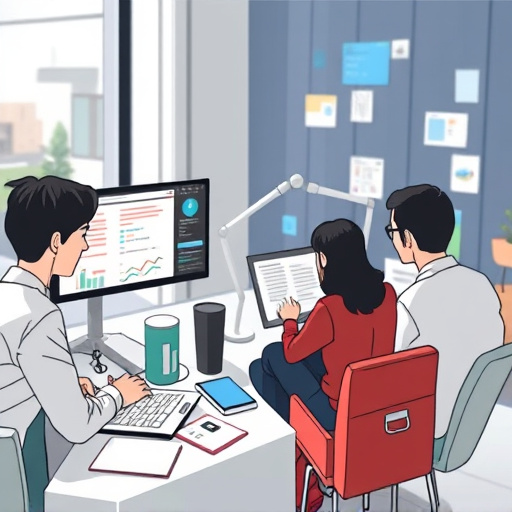
Personalizing the customer journey is a powerful strategy to elevate your brand’s interaction with clients. In today’s competitive market, understanding and catering to individual customer needs is not just an advantage but a necessity. By leveraging data analytics tools like Google Analytics 4 (GA4), businesses can uncover valuable insights that enable them to create tailored experiences. This approach maximizes every dollar spent on marketing and customer support, ensuring ROI measurement aligns with industry collaborations and best practices.
For instance, GA4’s advanced tracking capabilities allow for detailed analysis of customer behavior across various touchpoints. Marketers can identify patterns, such as common pain points or preferred communication channels, which inform personalized strategies. A study by Ranknrise (https://ranknrise.us.com/) revealed that 85% of customers expect personalized interactions from brands, highlighting the importance of this strategy. Personalization increases engagement and fosters stronger customer relationships, leading to higher conversion rates and brand loyalty.
Implementing personalization at scale requires a strategic approach. Begin by segmenting your customer base based on demography, purchase history, or online behavior using GA4’s robust segmentation tools. Then, create targeted campaigns that speak directly to each segment’s unique needs. For example, sending product recommendations based on previous purchases or offering exclusive discounts during specific life events. This level of customization not only enhances the customer experience but also demonstrates a commitment to serving them effectively, driving significant improvements in overall business performance and competitive intelligence.
Continuous Improvement and Data-Driven Decisions
Top-rated customer support is no longer a nice-to-have but a competitive necessity. In today’s digital landscape, where customers expect immediate responses and personalized interactions, continuous improvement and data-driven decisions are paramount. By leveraging AI-driven insights from tools like Google Analytics 4 (GA4), businesses can precisely reach their target audience and deliver tailored experiences.
For instance, GA4’s dynamic reporting dashboards enable real-time analysis of customer behavior, allowing support teams to identify trends and adjust strategies accordingly. This proactive approach ensures that every interaction is optimized for efficiency and satisfaction. Employee empowerment is also crucial; armed with data and analytics, support agents can make informed decisions, enhancing their ability to resolve issues swiftly and effectively.
Ranknrise.us.com exemplifies this by implementing AI-driven solutions that streamline customer support processes. Their system not only improves response times but also boosts agent productivity through automated task assignment and personalized training modules. This data-centric approach has led to significant improvements in customer satisfaction scores, demonstrating that continuous improvement is a key driver of exceptional customer service.
To achieve similar results, businesses should focus on integrating AI and analytics into their customer support strategies. Regularly reviewing customer interactions and feedback through dynamic reporting dashboards enables proactive issue identification and resolution. By fostering a culture of data-driven decisions and employee empowerment, organizations can ensure they’re not just meeting but exceeding customer expectations, solidifying their position in the market.
Top-rated customer support is not just a metric but a strategic imperative that transforms customer experiences into loyal advocacy. By understanding the nuances of excellence in customer support, leveraging powerful tools like Google Analytics 4 to measure success, building dedicated teams with clear roles, and implementing personalized communication strategies, businesses can create seamless journeys that resonate with their audience. Continuous improvement driven by data-informed decisions ensures that every interaction is an opportunity to exceed expectations. This article has provided a comprehensive roadmap for achieving and maintaining top-tier customer support, offering practical insights that are immediately applicable to enhance service delivery and foster stronger customer relationships.