

Google Analytics 4 (GA4) empowers businesses with advanced tracking and insights to make data-driven decisions. By analyzing user behavior across platforms, GA4 offers a holistic view of the customer journey, enabling strategic optimization. Best practices include setting clear objectives, ensuring data quality, and leveraging insights for targeted improvements. Continuous monitoring, expert assistance, and a robust data infrastructure drive effective decision-making, fostering growth and maintaining a competitive edge while prioritizing data privacy.
In today’s data-rich environment, effective decision-making processes are pivotal for business success. However, navigating the vast sea of information can be daunting. This article delves into the critical aspect of data-driven decision-making, addressing the challenge of interpreting complex data and transforming it into actionable insights. We explore how platforms like Google Analytics 4 (GA4) empower organizations to harness the power of data, providing valuable metrics and insights that drive strategic choices. By the end, readers will grasp the methodology, benefits, and practical applications of this approach, empowering them to leverage data effectively in their own operations.
- Understanding Data-Driven Decision Making
- Unlocking Insights with Google Analytics 4
- Collecting and Interpreting Key Metrics
- Actionable Strategies for Data Utilization
- Measuring Success and Iterating Strategies
Understanding Data-Driven Decision Making

Data-driven decision making has emerged as a powerful tool for businesses aiming to stay competitive and efficient. At its core, this approach leverages insights derived from data analysis to guide strategic choices, replacing intuitive or traditional methods with evidence-based alternatives. Google Analytics 4 (GA4) stands out as a crucial asset in this process, offering advanced tracking capabilities and comprehensive reporting that provide a holistic view of customer behavior.
Understanding GA4’s role requires recognizing its ability to capture intricate user interactions across various platforms and devices. This detailed picture empowers businesses to identify trends, pinpoint areas for improvement, and optimize their strategies accordingly. For instance, by analyzing user flow within a website or app, companies can make informed decisions about content placement, feature development, and overall user experience. Best practices shared among data experts emphasize the importance of setting clear objectives, ensuring data quality through rigorous validation processes, and interpreting findings within the broader context of business goals.
To fortify your data defenses, continuous monitoring and 24/7 assistance from expert analysts are invaluable. Tools like GA4 generate vast amounts of data, making it critical to have dedicated support for data interpretation and actionable insights. This ensures that decisions are not only data-driven but also informed by real-time trends and industry best practices. For example, ranknrise.us.com has helped numerous businesses leverage GA4 to optimize their digital strategies, demonstrating the tangible impact of data-driven decision making on key performance indicators (KPIs) such as conversion rates and customer retention.
Ultimately, embracing a data-driven approach requires a commitment to continuous learning and adaptation. Businesses that invest in building robust data infrastructure and cultivating data literacy among their teams are better equipped to navigate the ever-changing digital landscape. With 24/7 assistance, they can stay ahead of the curve, making swift and informed decisions that drive growth and maintain a competitive edge.
Unlocking Insights with Google Analytics 4

Data-driven decision-making has become a cornerstone of modern business strategy, empowering organizations to optimize performance, enhance customer experiences, and gain a competitive edge. Google Analytics 4 (GA4) stands as a powerful tool in this landscape, offering advanced tracking capabilities, robust reporting, and valuable insights into user behavior. By leveraging GA4, companies can uncover hidden trends, personalize marketing efforts, and make informed choices that drive growth.
Google Analytics 4 represents a significant evolution from its predecessors, with enhanced data modeling and machine learning features. Its ability to track cross-platform interactions—from web to mobile and beyond—provides a holistic view of the customer journey. For instance, businesses can now attribute conversions across various devices and channels, ensuring that marketing strategies are aligned with actual user behavior. This level of granularity enables marketers and decision-makers to allocate resources effectively, focusing on high-impact areas. Moreover, GA4’s event-based data collection allows for more flexible and precise tracking, catering to the dynamic nature of digital interactions.
Empowering employees to make data-driven decisions requires accessible, user-friendly analytics tools. GA4 is designed with this in mind, offering intuitive dashboards and customizable reports that enable non-technical users to derive insights quickly. By providing mobile data access, organizations can facilitate decision-making at all levels, even on the go. This accessibility fosters a culture of employee empowerment, where teams can independently analyze trends, identify opportunities, and implement data-backed strategies. For instance, ranknrise.us.com—a leading analytics platform—enables businesses to share custom GA4 reports with their workforce, ensuring everyone is aligned with the latest insights, regardless of location or role.
Maintaining data security is paramount in today’s digital age, especially considering sensitive information handled by many organizations. Google Analytics 4 incorporates robust security measures, including compliance with HIPAA (Health Insurance Portability and Accountability Act), ensuring that user data remains confidential and protected. This level of security instills trust among businesses, particularly in highly regulated industries, allowing them to harness the power of GA4 without compromising privacy. By combining advanced analytics capabilities with HIPAA-secured data handling, organizations can make strategic decisions based on accurate insights while adhering to stringent legal requirements.
Collecting and Interpreting Key Metrics

Data-driven decision making has become a cornerstone of modern business strategy, enabling companies to navigate an increasingly competitive landscape with precision and efficiency. A crucial element within this framework is the meticulous collection and interpretation of key metrics. Tools like Google Analytics 4 (GA4) play a pivotal role in this process, providing detailed insights into user behavior, campaign performance, and overall business health. By monitoring public perception through data-driven marketing strategies, organizations can make informed decisions that not only enhance customer satisfaction but also foster innovation.
For instance, GA4’s advanced tracking capabilities allow businesses to monitor not just website visits but also app interactions, offline purchases, and even user engagement across multiple platforms. This comprehensive view of the customer journey empowers marketers to tailor their strategies, ensuring every touchpoint aligns with brand values. Moreover, implementing privacy by design in data collection practices, as advocated by industry leaders, safeguards user privacy while enabling valuable insights. As technology advances, innovative solutions emerge, such as AI-driven analytics, which can automate the interpretation of vast datasets, making key metrics readily accessible to stakeholders at all levels.
However, interpreting these metrics requires a strategic eye and a deep understanding of the business context. Companies should establish clear goals and KPIs before diving into data analysis, ensuring that every piece of information collected serves a purpose. For example, if a retail brand wants to enhance its e-commerce platform, GA4 can provide insights into customer abandonment rates, average order value, and conversion paths. By analyzing these metrics and implementing policy changes based on findings—like streamlining checkout processes or personalizing product recommendations—the brand can significantly improve its online sales performance. Ultimately, effective data collection and interpretation translate to a competitive edge in the market, with Rank N Rise as a testament to the power of data-driven decision making in achieving sustainable growth.
Actionable Strategies for Data Utilization
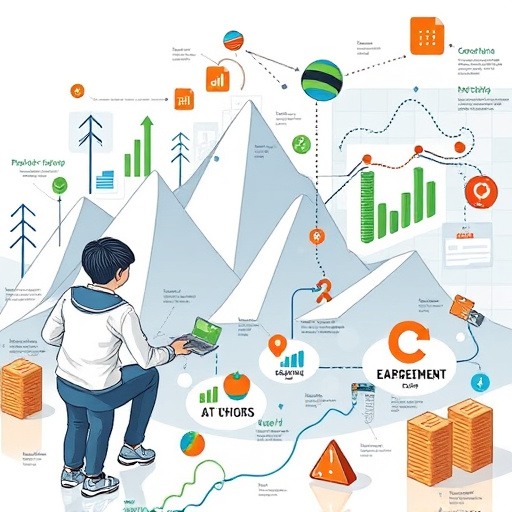
Data-driven decision making has become a strategic imperative for businesses aiming to secure a competitive edge in the market. Google Analytics 4 (GA4) stands out as a powerful tool for achieving this, offering advanced tracking and insightful analysis that goes beyond traditional metrics. By harnessing GA4’s capabilities, organizations can move from reactive to proactive strategies, enabling them to make accurate predictions based on real-time data.
For instance, e-commerce businesses can leverage GA4 to track customer journeys across various platforms, including social media. Integrating social media listening with analytics provides a holistic view of consumer behavior and sentiment. This comprehensive approach allows for tailored marketing campaigns that resonate with target audiences, driving sales and fostering brand loyalty. Furthermore, prioritizing data privacy guarantees instills trust among customers, ensuring long-term engagement.
Actionable strategies for effective data utilization include setting clear business objectives aligned with GA4’s capabilities, such as understanding customer acquisition channels and conversion rates. Regularly reviewing event tracking setup ensures accurate data capture. Businesses should also explore advanced features like custom dimensions and metrics to gain deeper insights into customer interactions. For example, a retail company might track product recommendations’ impact on sales using custom events in GA4, identifying high-performing items and optimizing their marketing strategies accordingly. By implementing these practices, companies like Rank n Rise can leverage data effectively, making informed decisions that propel them ahead of the competition while adhering to stringent data privacy guarantees.
Measuring Success and Iterating Strategies

Measuring success and iterating strategies are crucial components of a data-driven decision-making process. Tools like Google Analytics 4 (GA4) play a pivotal role in this regard, providing detailed insights into user behavior and marketing campaign performance. For example, GA4’s enhanced tracking capabilities allow HR departments to focus on continuous improvement through data-driven approaches, enabling them to monitor key metrics such as employee engagement, retention rates, and diversity initiatives. By setting up robust access controls, organizations can ensure sensitive data is protected while leveraging public perception data to inform marketing strategies that resonate with target audiences.
Continuous improvement requires a dynamic approach, where each data point is an opportunity for refinement. For instance, a retailer might analyze customer journey data in GA4 to identify pain points on their website, leading to iterative design changes that boost conversion rates. Similarly, social media analytics can reveal the impact of different content strategies, helping marketers tailor their efforts to maximize reach and engagement. By integrating these insights into decision-making processes, businesses can stay agile and responsive to market demands.
To harness the full potential of data-driven decision-making, it’s essential to establish clear metrics and KPIs that align with organizational goals. For example, a tech startup might prioritize user acquisition cost (CAC) and lifetime value (LTV) in GA4 to evaluate the success of product launches or marketing campaigns. If CAC exceeds LTV, it indicates a need for strategic adjustments, such as refining targeting or optimizing ad spend. Utilizing tools like Google Analytics 4 in conjunction with expert analysis enables businesses to make informed decisions that drive growth and stay ahead of the competition.
Moreover, effective data-driven strategies necessitate regular review and adjustment, ensuring that tactics remain relevant and impactful. This iterative process involves monitoring not only numerical data but also qualitative feedback through surveys or social media sentiment analysis. For instance, a brand might use public perception data to gauge the effectiveness of a new campaign, quickly pivoting if initial responses indicate misalignment with brand values. By embracing this dynamic approach, organizations can foster a culture of continuous improvement, leveraging data as a powerful tool for strategic decision-making and long-term success, as exemplified by best practices at https://seogrowthlab.us.com.
By embracing data-driven decision-making and utilizing tools like Google Analytics 4, organizations can unlock valuable insights to drive strategic growth. The process begins with a comprehensive understanding of key metrics and their interpretation, enabling businesses to collect and analyze critical data effectively. Implementing actionable strategies, such as setting clear objectives, defining target audiences, and creating tailored user journeys, ensures that data is translated into meaningful actions. Measuring success through defined KPIs and iteratively refining strategies based on insights cultivated a culture of continuous improvement. This systematic approach, highlighted in this article, positions businesses to make informed choices, adapt to market changes, and ultimately achieve competitive advantages in today’s data-rich landscape.